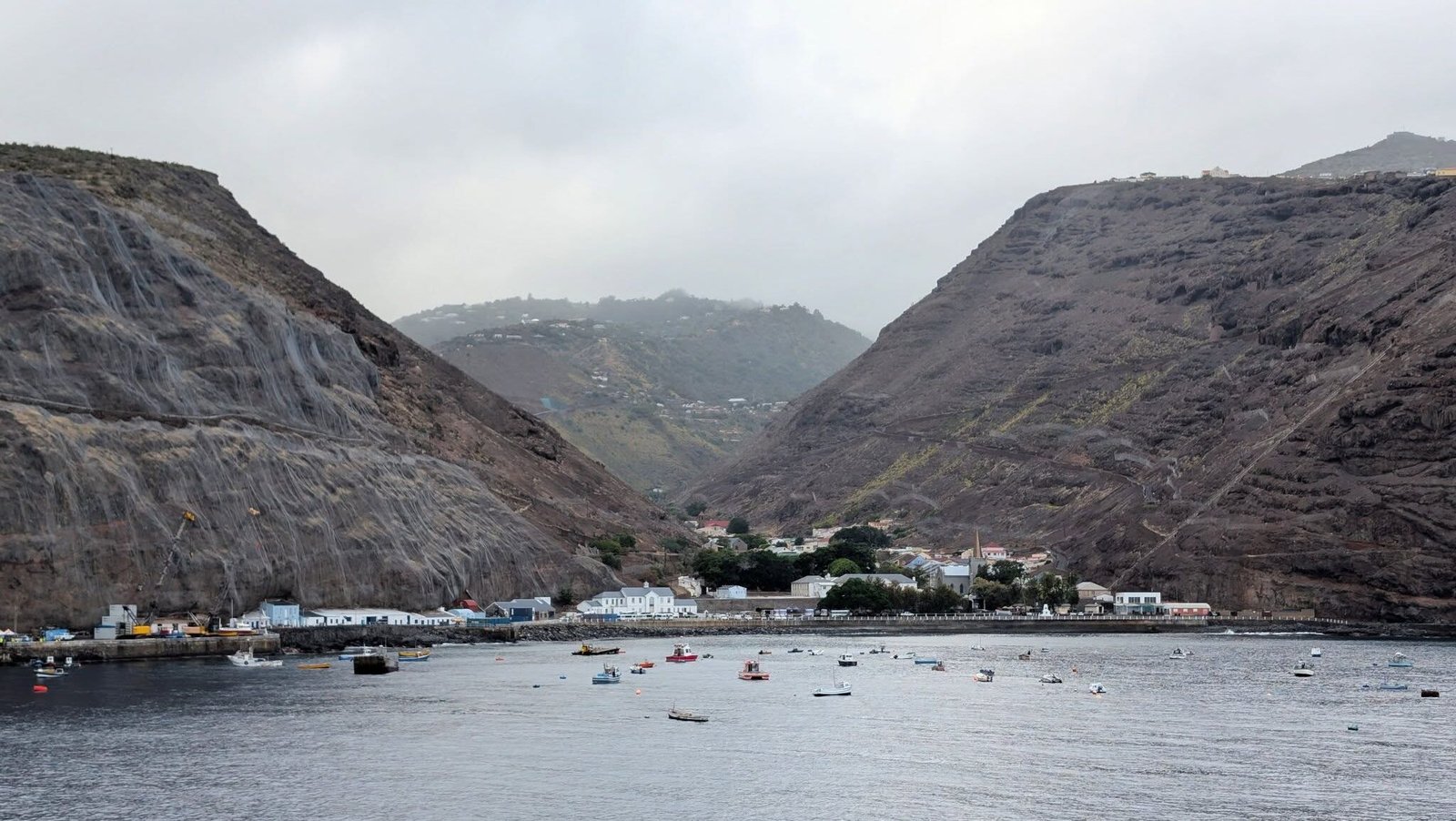
As we approached the Jamestown side of cloud-shrouded Saint Helena in the pre-dawn light, Skull Island from the old King Kong movie with Fay Wray came to mind — so much so that I could imagine jungle drums echoing in the distance, despite being some 1,200 miles from Africa. However, as we drew closer, the rugged cliffs softened and a quaint town emerged from the shadows, quickly ending my cinematic fantasy.
We had eagerly anticipated our visit to Saint Helena as a fitting bookend to our earlier stop in Elba. This lonely island marked Napoleon’s final chapter—his last home and place of death. Earlier in our journey, we had explored Elba, where Napoleon’s life during his first exile seemed relatively agreeable. Saint Helena, on the other hand, was much harsher and more isolated, and his end here was far less dignified. The contrast between these two destinations made our visit even more fascinating.
A Tiny Yet Captivating Island
Saint Helena is one of the most remote inhabited islands on Earth. Located in the South Atlantic Ocean, it spans just 47 square miles (about the size of San Francisco) and is home to around 4,000 people, affectionately known as “Saints.” Despite its small size, the island offers striking diversity in its landscapes—from rugged coastlines to lush green mountains dotted with charming white cottages. The scenery in the highlands reminded us of our recent adventure to the Isle of Skye in Scotland, but with milder temperatures and no rain.
Historically, Saint Helena served as a vital stopover for ships traveling between Europe, Africa, and Asia during the age of sail. Its remoteness made it an ideal location for Napoleon’s exile, ensuring that escape was virtually impossible.
In recent years, Saint Helena has struggled to attract tourists, despite completion of an airport in 2016. The island remains delightfully off the beaten path, appealing to niche travelers: history buffs drawn by Napoleon’s legacy, naturalists and hikers enchanted by the island’s exotic trails, and amateur astronomers who prize its lack of light pollution.
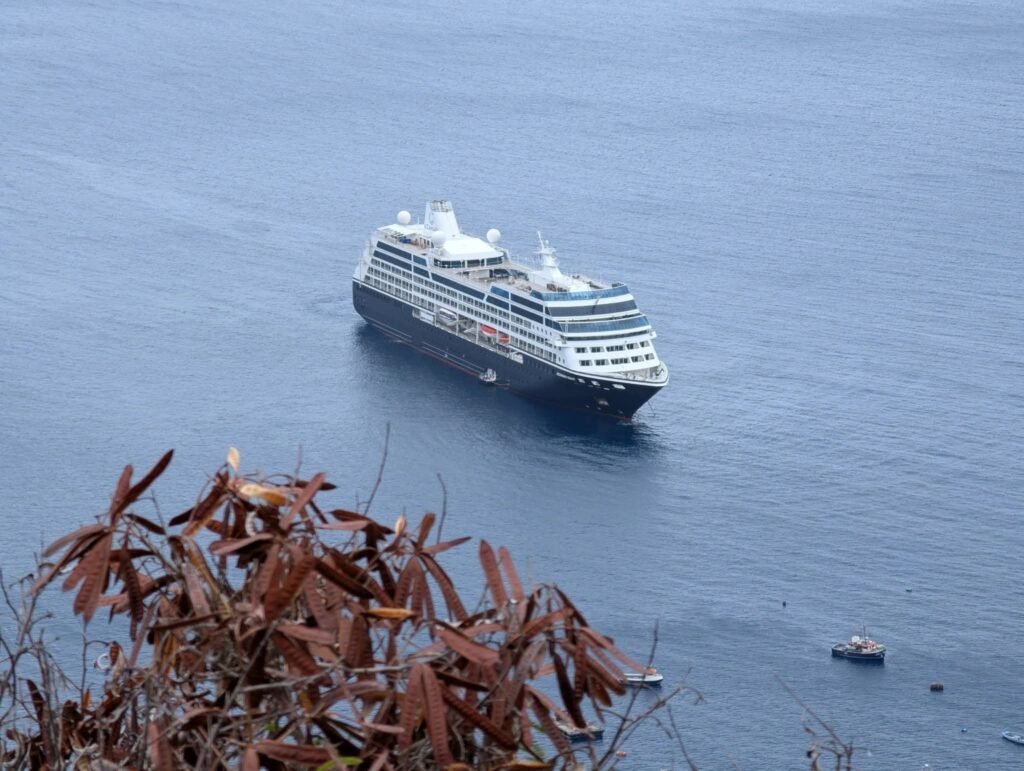
Cruise ship visits are rare. Locals recalled one occasion when a massive mega-ship arrived, overwhelming the tiny village of Jamestown. Fortunately, our 700-passenger ship was a better fit. Nearly 20 minibuses were arranged for shore excursions, and remarkably, everything ran smoothly. Every passenger we spoke with praised the guides, itineraries, and logistics.
As our bus climbed the steep cliff-hugging road leading to the island’s highlands, I warned Mary, “Don’t look down.” She didn’t. The road was so narrow that oncoming vehicles had to pull over to let us pass. As we ascended, the terrain transformed dramatically—from rocky, arid, and brown to lush, green, and tree-covered. At the top, we stopped for a photo-op with stunning views of the harbor, Jamestown and our anchored ship.
Napoleon’s Tomb: A Surprising Walk and a Fascinating History
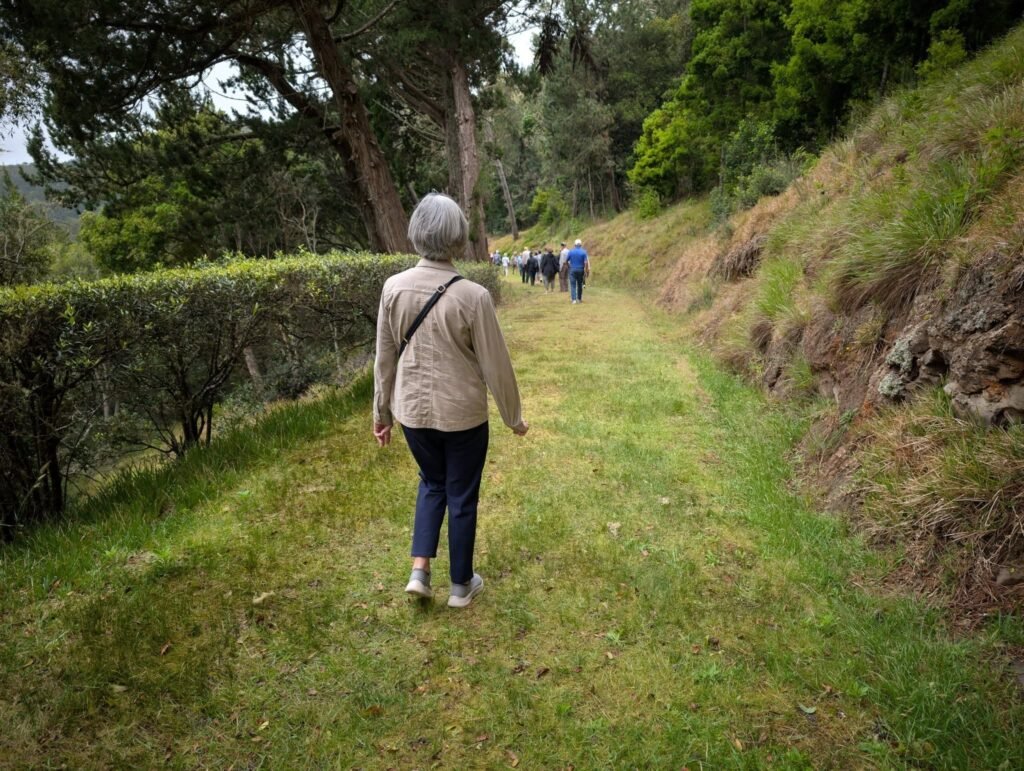
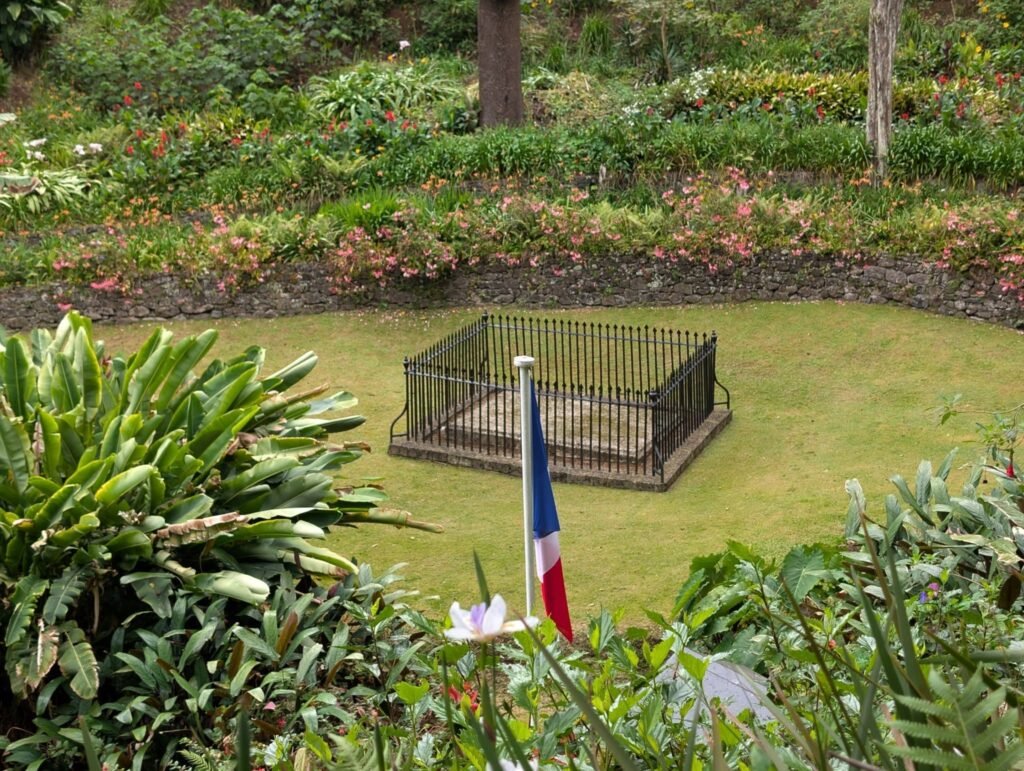
The most memorable stops were Napoleon-related, including his tomb. What surprised us wasn’t the tomb itself but the half-mile, steep grassy path leading to it! Let’s just say we got our steps in that day. The tomb, nestled in a peaceful valley that Napoleon himself admired, is a source of intrigue. Despite Napoleon’s wish to be buried in Paris, the British kept his remains here until 1840, 19 years after his death, hoping his fame had ebbed. His body was exhumed and returned to France in the grand event known as the Retour des Cendres – 100 canons boomed as he left the island . Today, his magnificent tomb at Les Invalides in Paris draws millions of visitors annually.
Napoleon’s Life on Saint Helena: Isolation and Conflict
Our visit to Longwood House, Napoleon’s final residence, provided further insight into his difficult life on Saint Helena. The house, now a museum, is filled with artifacts and exhibits that paint a vivid picture of his exile. Napoleon lived here under the watchful eye of Sir Hudson Lowe, the British governor, whose strict security measures caused constant friction between them. Their relationship was openly hostile, with Lowe enforcing rules that Napoleon felt humiliated him, such as addressing him as “General Bonaparte” instead of “Emperor.”
General Sir Hudson Lowe’s rigid control over Napoleon’s movements was a major source of frustration. He confined Napoleon to a twelve-mile radius around Longwood House and required permission for any excursions. This confinement was a crushing blow to Napoleon’s sense of freedom. Lowe also imposed invasive inspections of Napoleon’s correspondence and restricted his visitors, isolating him further from any support. Napoleon found living conditions in Longwood House uncomfortable, a situation Lowe did little to remedy despite Napoleon’s complaints.
Lowe’s dismissive attitude toward Napoleon’s well being – he refused repeatedly requested medical treatment and doctors and prevented Napoleon’s family from visiting until 1817 – further deepened the animosity between them. Though carried out in adherence to British orders, Lowe’s actions fueled public sympathy for the exiled Emperor.
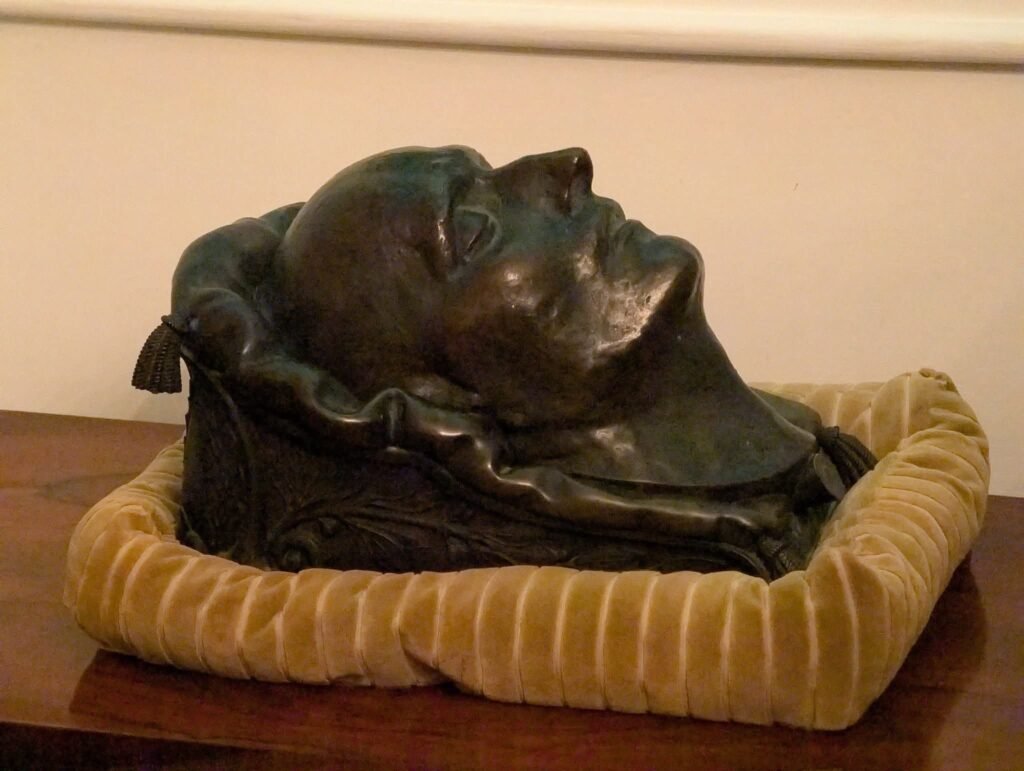
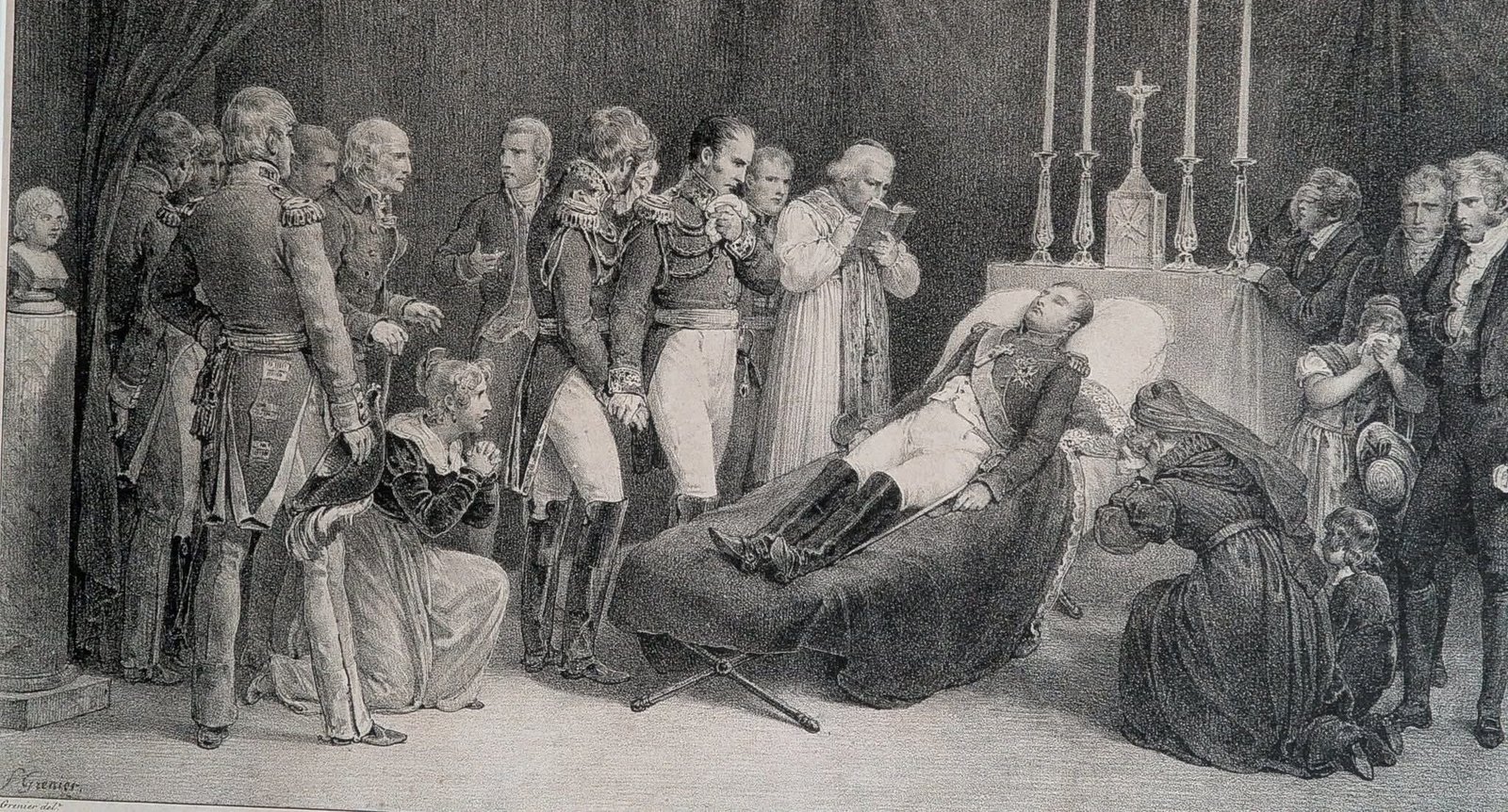
Napoleon’s days on Saint Helena were a monotonous routine of reading, writing, and dictating his memoirs. Longwood House exhibits, including Napoleon’s original furniture, personal belongings, and even his death mask, created shortly after his passing in 1821, served as haunting reminders of his lonely final days.
The Plantation House and Jonathan the Tortoise
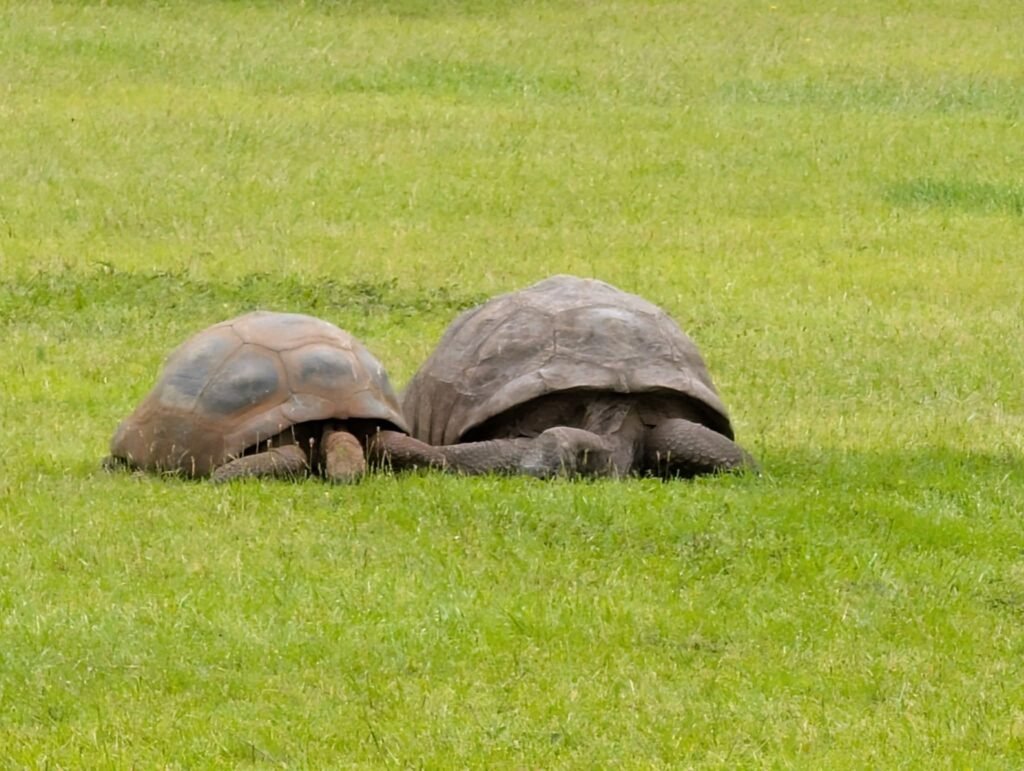
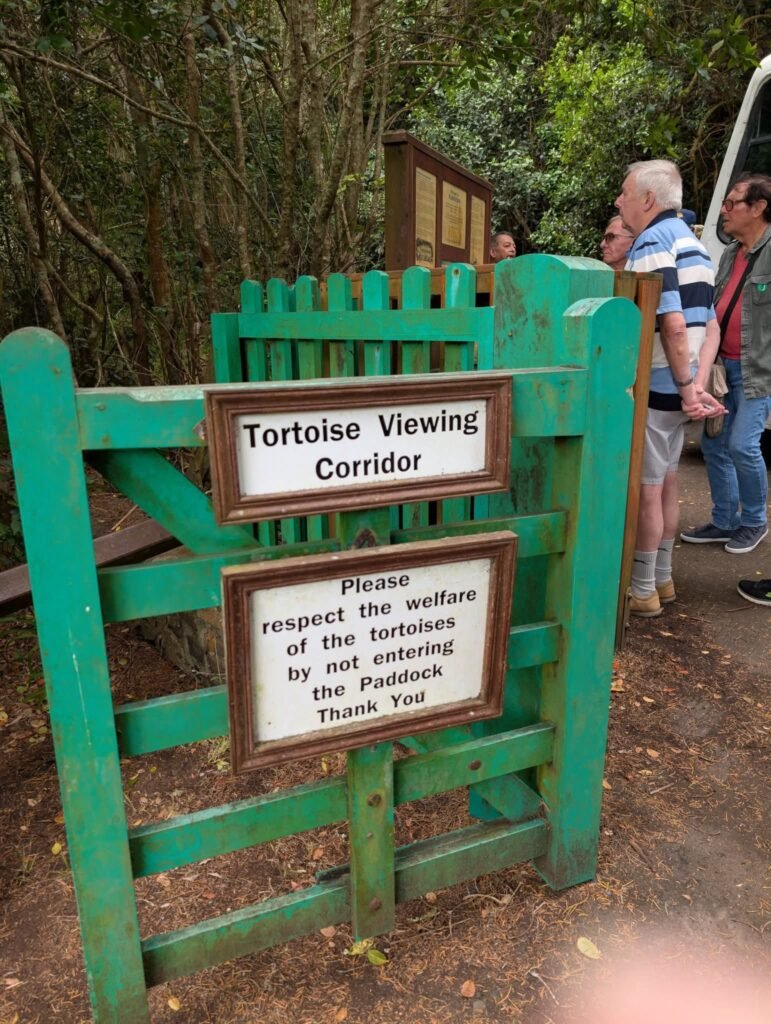
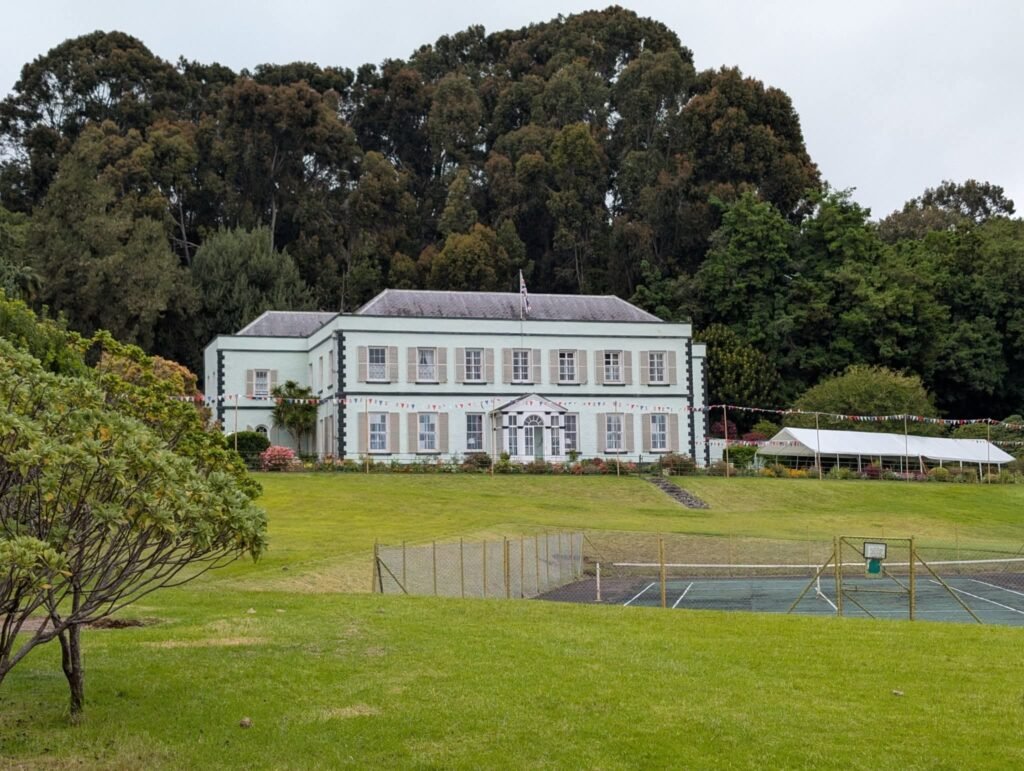
Another fascinating stop was Plantation House, the official residence of the Governor of Saint Helena. Built in 1792, this stately Georgian mansion nestled amidst lush, well-manicured grounds, is one of the island’s most iconic landmarks. While the house itself is beautiful, the real draw for us was Jonathan the Tortoise—a 194-year-old giant tortoise who resides on the property. He holds the world’s record for longevity— the oldest living land animal.
To keep Jonathan company, two other tortoises were brought in, with hopes of producing little Jonathans. He seemed especially fond of one of them, Frederika. However, the keepers were puzzled when Frederika didn’t lay any eggs. Eventually, they brought in a specialist whose examination revealed that Frederika was Fred, a healthy male, who struck up a relationship with the other female.
Jacob’s Ladder: A Challenge Conquered
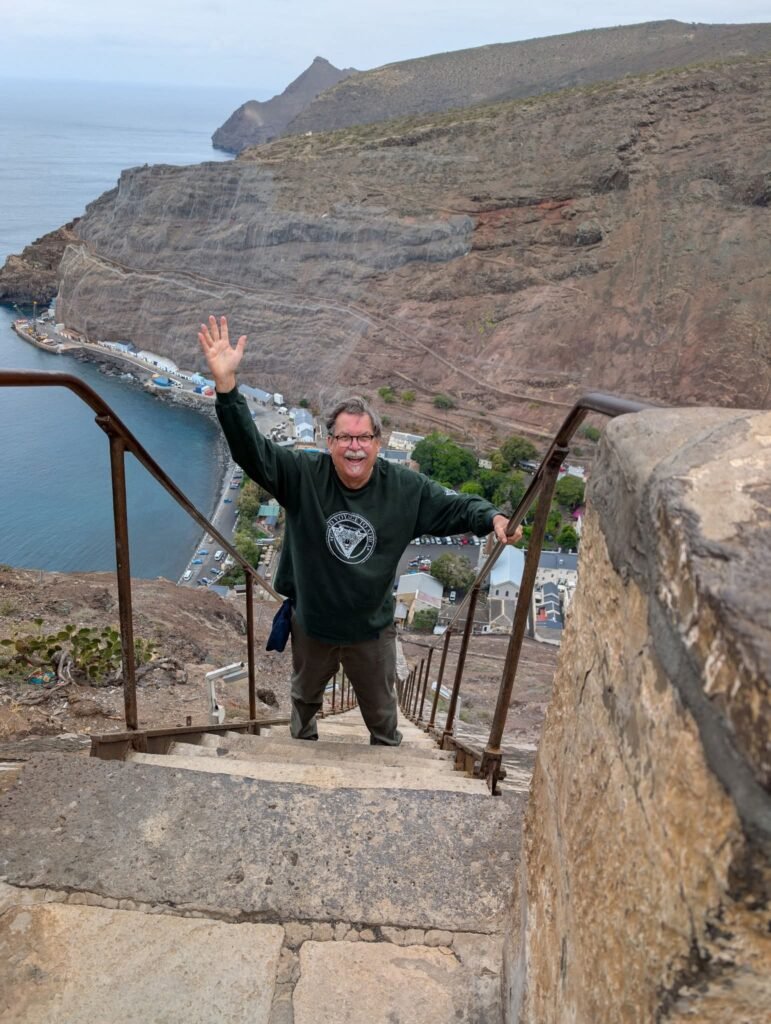
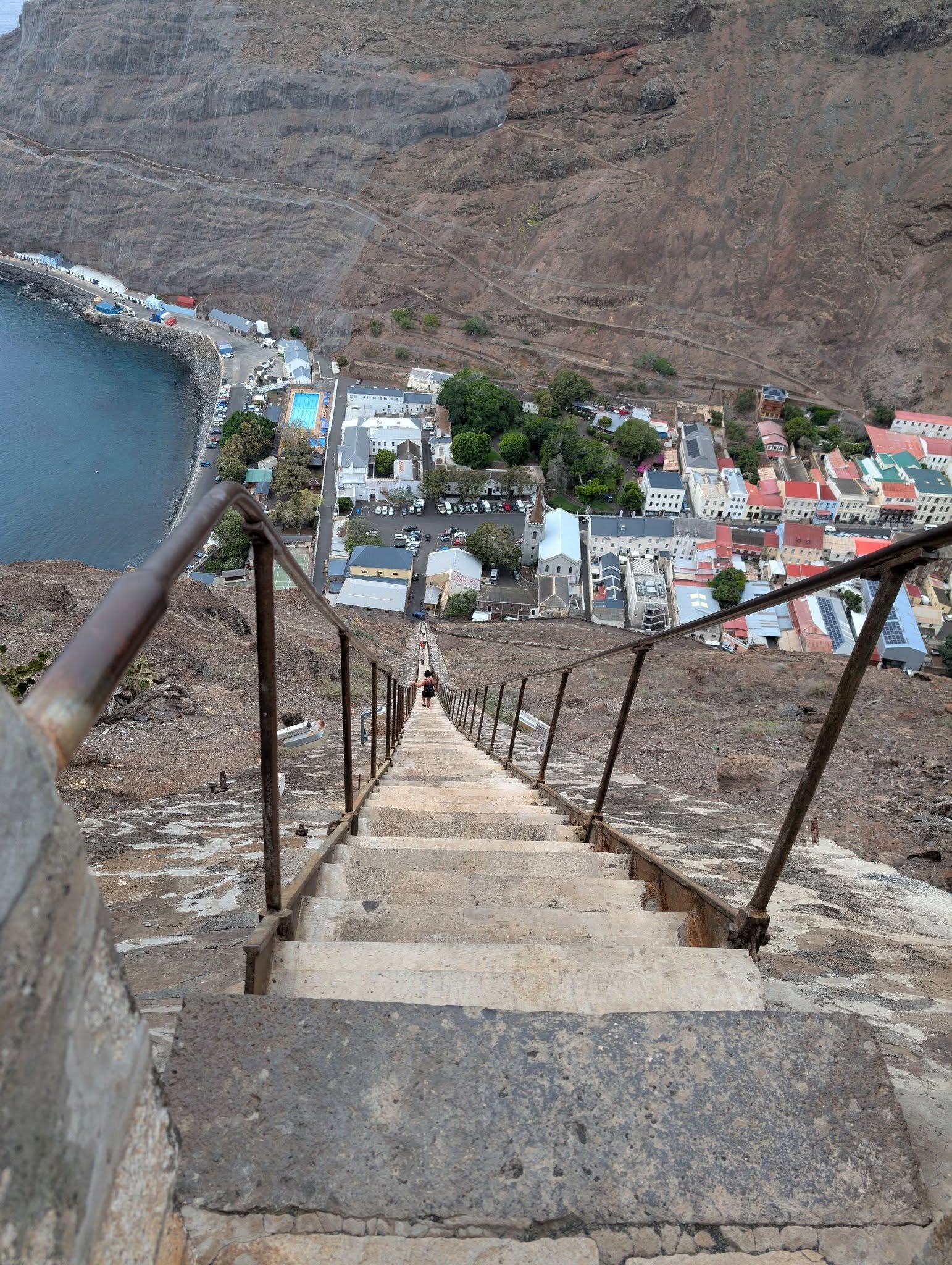
Our final stop was the Jacob’s Ladder viewing platform, offering an expansive panorama of Jamestown, the harbor, and the vast Atlantic Ocean stretching out to the horizon. Jacob’s Ladder is an iconic and incredibly steep staircase that rises 699 steps from the streets of Jamestown to the heights above. Originally built in 1829 to transport goods up the mountain, the climb attracts the physically fit who aim to break the record speed to scale it, now under 5 minutes.
While I didn’t attempt all 699 steps, I did manage a few for a photo op, which felt like an accomplishment. Several of my daredevil shipmates did accomplish the entire climb—not only ascending but also descending, which is even more dizzying.
Reflections on Saint Helena
Saint Helena is a beautiful destination, but like many remote places, it faces economic and other challenges. One of the most striking is the exodus of young people, who often leave in search of opportunities elsewhere. The population has dwindled to under 4,000. A plan to welcome migrants has been frustrated by a lack of housing and other infrastructure. Despite this, the island holds an undeniable charm, rooted in its history, natural beauty, and resilient spirit.