Leaving Ohrid for Bitola came with an unplanned show.
The bus was delayed, so I killed time at the station and ran into Nora and Oliver again — familiar faces from earlier in the trip, the kind of small coincidence that makes constant motion feel a little more connected. We piled into a cramped shuttle van, once again illustrating height bias.
Halfway to Bitola, the van stopped in a small town where about a dozen people were waiting to board. We had maybe five seats left. One very large, very insistent man made his case to the driver at full volume, his family shut out of the count. Police showed up within minutes.
Then the man’s brother roared up on a motorcycle, hopped off, and smacked the driver squarely in the back of the head.
What followed was chaos. The two brothers chased the driver around the parking lot while the police watched with roughly the urgency you’d bring to someone cutting in line at a coffee shop — a slow turn, mild interest, no real hurry. It felt less like an emergency and more like they’d seen this movie before.
More police cars eventually arrived — three by my count — followed by an enormous amount of paperwork. No one was arrested. The rattled driver finally got us back on the road, minus the brute’s family, turning our scheduled hour-and-fifteen-minute trip into nearly two and a half hours.
For the price of admission, it wasn’t a bad show.
Bitola arrived under gray, windy skies — a rougher, more lived-in cousin of Ohrid. I checked into a room overlooking the main plaza, napped off the day’s chaos, and settled into a simple dinner of local comfort food and beer before an early night ahead of the ride to Skopje.
Skopje: The Old Bazaar
The road to Skopje ran through rolling Macedonian countryside for three and a half hours, easy and quiet the whole way — a welcome contrast to the day before. I arrived to a balcony overlooking the Old Bazaar and felt the shift in energy immediately.
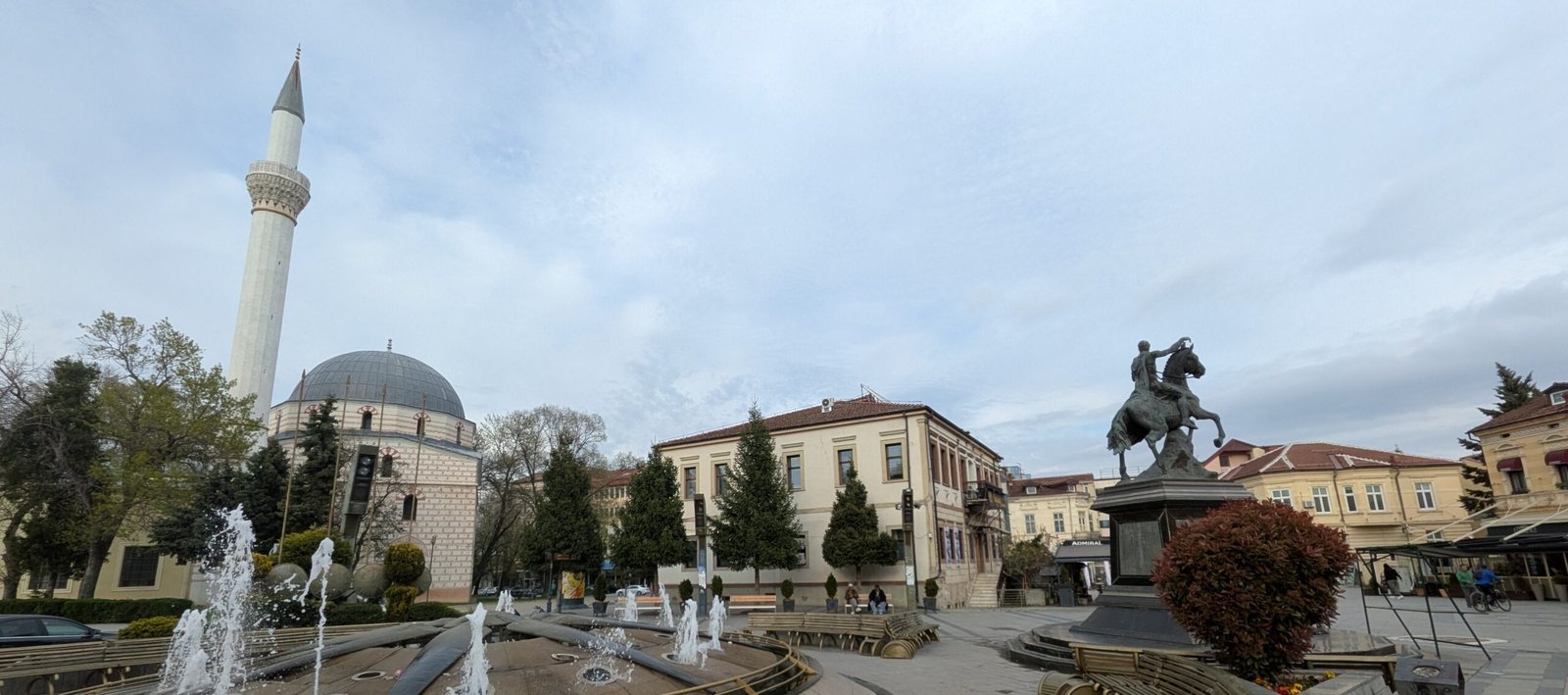
The Bazaar has been a center of trade for more than 600 years, built up over five centuries of Ottoman rule that didn’t end here until 1912, and it shows in every direction — tight streets, döner stands on every corner, Turkish tea poured constantly, trays of syrup-soaked pastries impossible to walk past without stopping. One stretch of street was lined entirely with gold and silver shops that wouldn’t look out of place in a much larger city. This part of Skopje is predominantly Muslim, largely ethnic Albanian alongside families whose roots run generations deep, and the call to prayer rolled across the rooftops five times a day — loud and unmissable from my balcony, a constant reminder of exactly where I was.
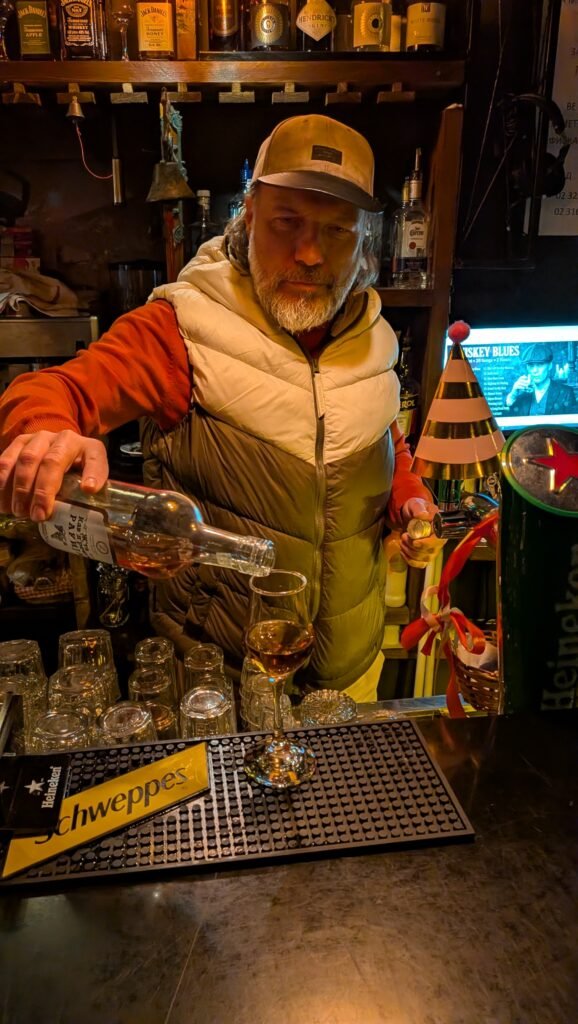
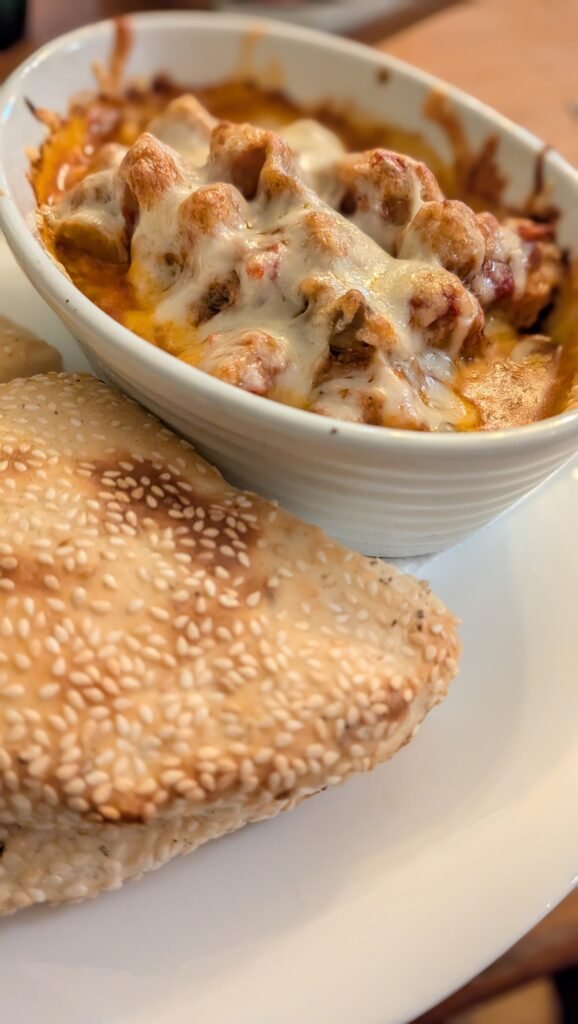
Dinner was tavče gravče, the classic baked bean dish, alongside ćevapi, because ćevapi seems to earn its keep everywhere in this region. Later I wandered into a small wine and cocktail bar called Ladies Bar, run by a serious Macedonian wine advocate named Trpe Nikoloski. He walked me through the country’s wine scene — more than two hundred wineries, only a handful of them large-scale, with the rest small, family-run operations — and poured me a glass of Vranec, a bold native red he claimed might be the original Zinfandel.
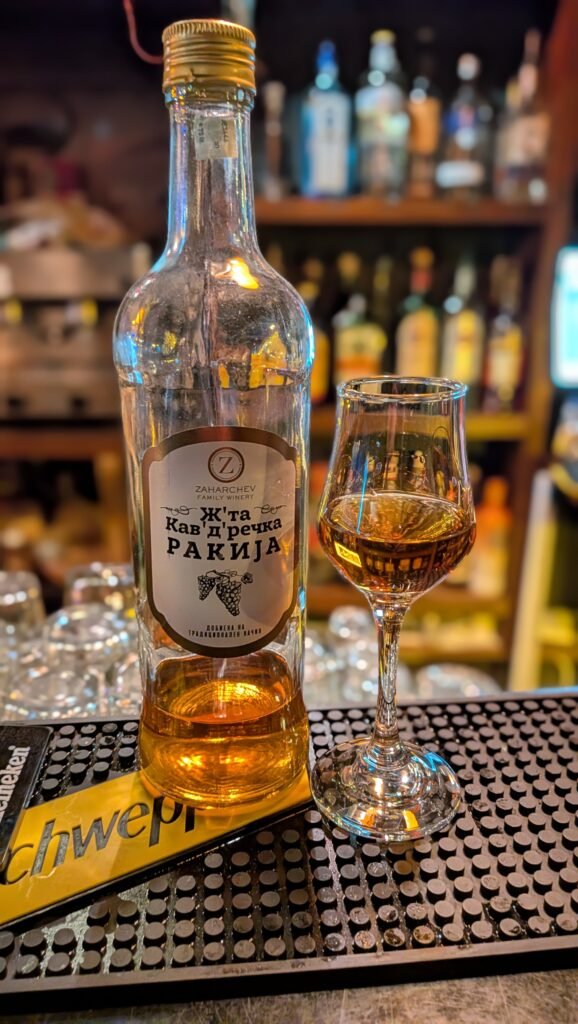
Any conversation about alcohol in the Balkans invariably swings to rakia, and this one naturally led to a tasting session. My Belgrade education was continuing.
Skopje: A Capital Reinventing Itself
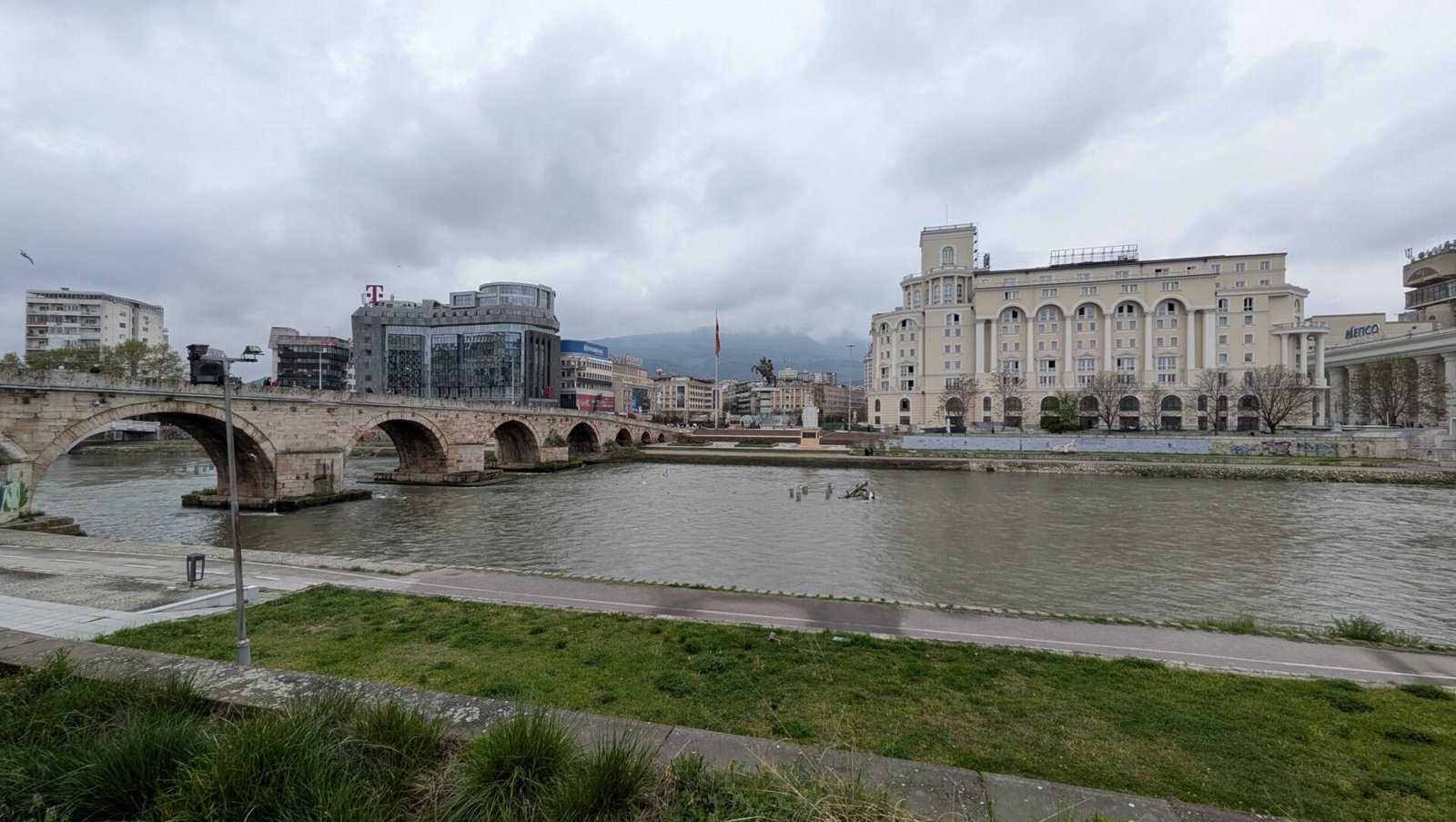
Skopje is home to roughly a third of North Macedonia’s population, and its history shows in visible layers. Kale Fortress, originally built in the 6th century, sits above the Old Bazaar overlooking the river — the city’s original footprint, with everything else expanding outward from there over the centuries. A massive 1963 earthquake destroyed around 80 percent of the city, and what rose afterward, under Yugoslavia, was heavy, concrete, socialist-era architecture.
Then came the Skopje 2014 project, when the government didn’t just renovate parts of the capital—it attempted to reinvent the city’s image. Buildings were refaced almost overnight in a neoclassical, old-Europe style. Bridges across the Vardar River filled with statues. Statues turned up everywhere — warriors, kings, revolutionaries, most famously the towering central figure in the main square widely understood to depict Alexander the Great. The whole project was about identity: a young country, independent only since 1991, trying to root itself in a deeper historical narrative while signaling that it belongs in the modern European fold. Depending on who you ask, it’s either bold nation-building or a Disney-esque remake. Walking those easy streets, I found myself siding with the optimists.
There’s a quieter counterpoint to all that self-invention a few blocks away, at the Holocaust Memorial Center for the Jews of Macedonia. Nearly 98 percent of the country’s Jewish population was gone by 1943, and the museum doesn’t shy away from that number. But what surprised me was how much space it gives to everything that came before the war — centuries of ordinary life, trade and neighborhoods and daily routine, long before any of it became a statistic. Standing in a city that spent 2014 rebuilding itself in marble and bronze, it was a reminder that Skopje’s real foundation isn’t the statues. It’s everyone who’s ever actually lived here.
That evening, over a cold pilsner, I fell into an easy conversation with the bartender, a local named El Fati, who’d spent time living in the Netherlands before coming home, about how people here see themselves and their place in the region — a country, in his words, still figuring out who it is.
I closed the night back at Ladies Bar with Trpe, rakia in hand, watching a backgammon game that felt thoroughly Turkish — a fitting preview, as it turned out, for what was waiting for me down the road in Istanbul.
Sofia: A City That Dares You to Keep Walking
By the time I reached Bulgaria, I’d been on the road for weeks. The bus from Bitola wound through mountain passes and open countryside for five hours, paused another half hour at the border, and gave me plenty of time to work through a backlog of downloaded podcasts. When I finally arrived in Sofia, I found my Airbnb in the city center, dropped my backpack, and did the only sensible thing after a long travel day—I took a nap.
When I woke up, I stepped outside and immediately understood why people love this city.
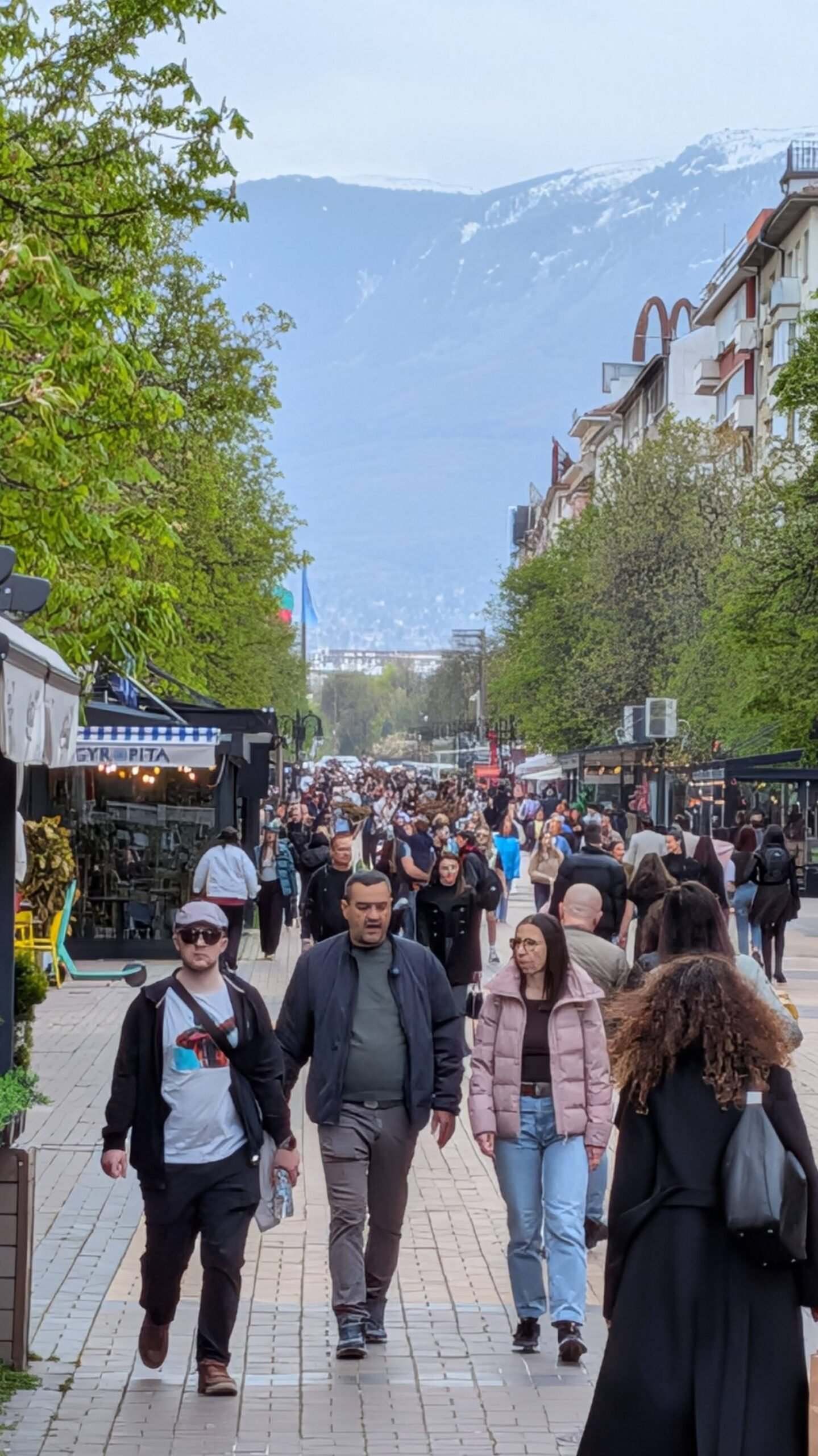
Half a block away was Vitosha Boulevard, a lively pedestrian boulevard stretching more than half a mile through the city center. Restaurants, cafés, wine bars, shops, and outdoor patios line both sides, creating an atmosphere that invites you to slow down rather than hurry through. At the far end, Vitosha Mountain rises above the skyline, giving the entire boulevard a dramatic backdrop that’s impossible to ignore.
Dinner that first night was at The Friendly Bear, where I ordered kebapche—grilled sausages served with fresh bread, a cabbage-and-carrot salad, and lyutenitsa, an addictive roasted tomato-and-pepper spread that I could have eaten by the spoonful.
Even on a Thursday evening, the boulevard was alive. Families pushed strollers, couples lingered over dinner, friends gathered over drinks, and musicians drifted in and out of the evening air. It wasn’t crowded or frantic. It simply felt like a city designed for walking.
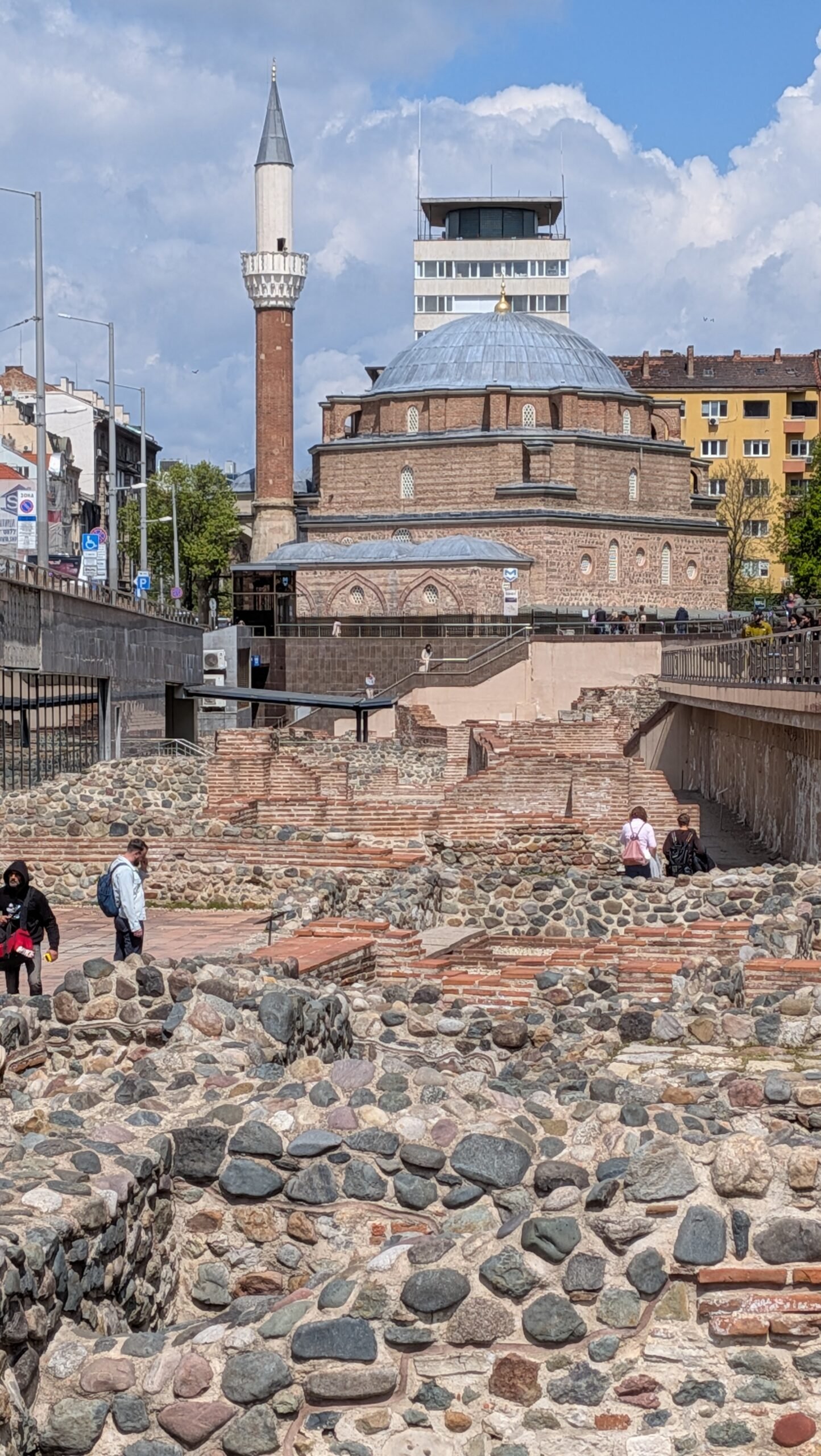
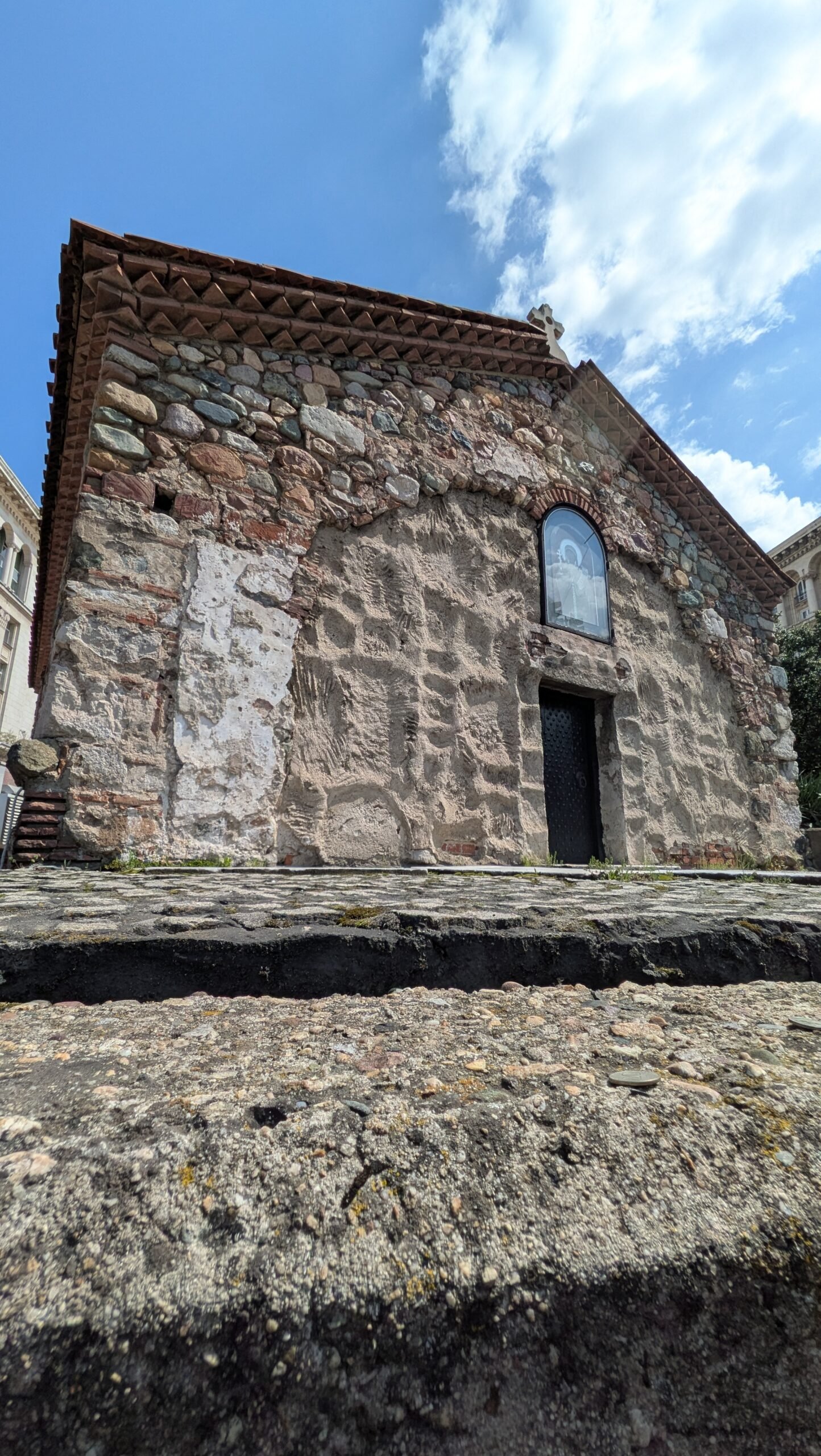
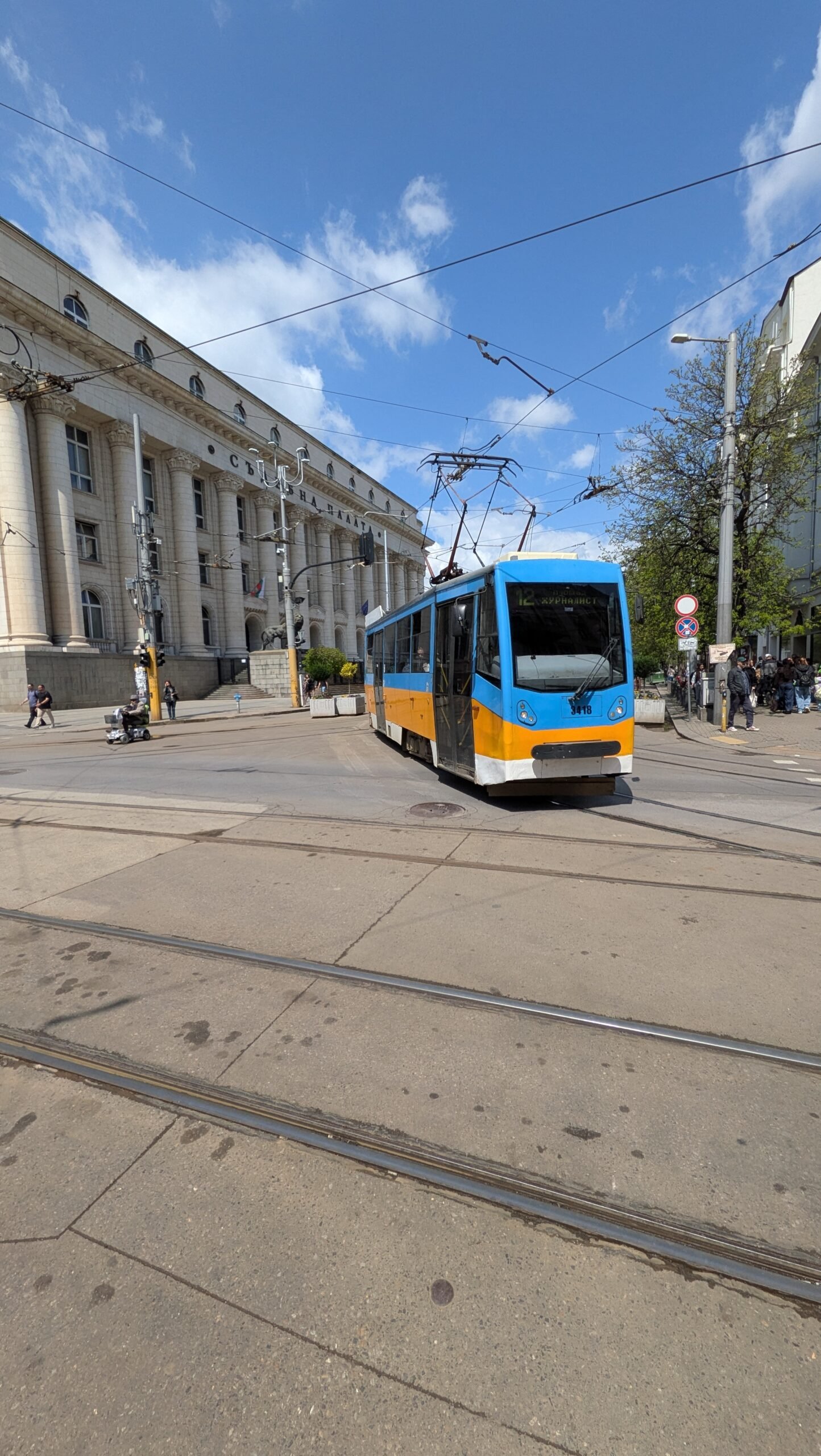
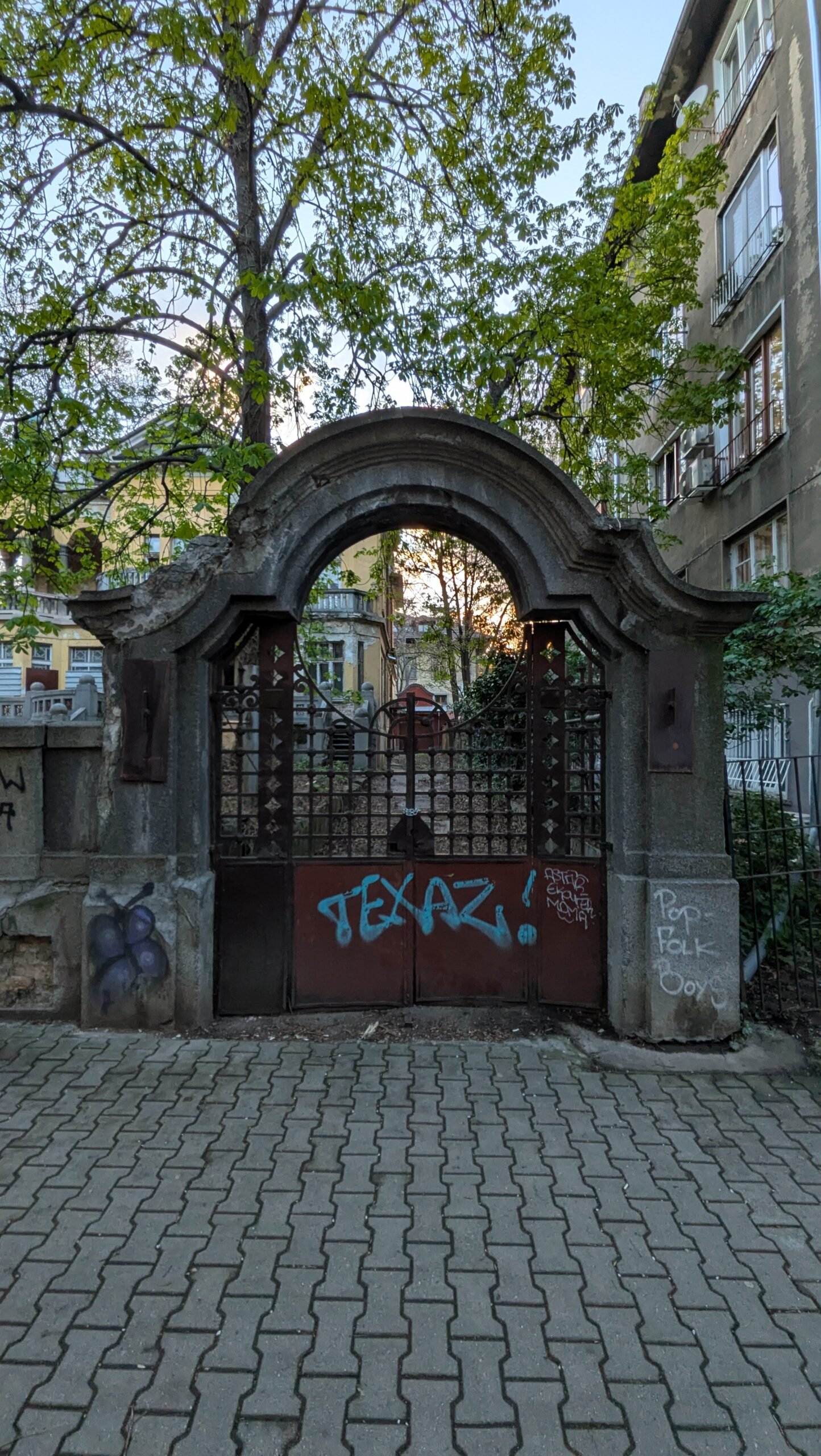
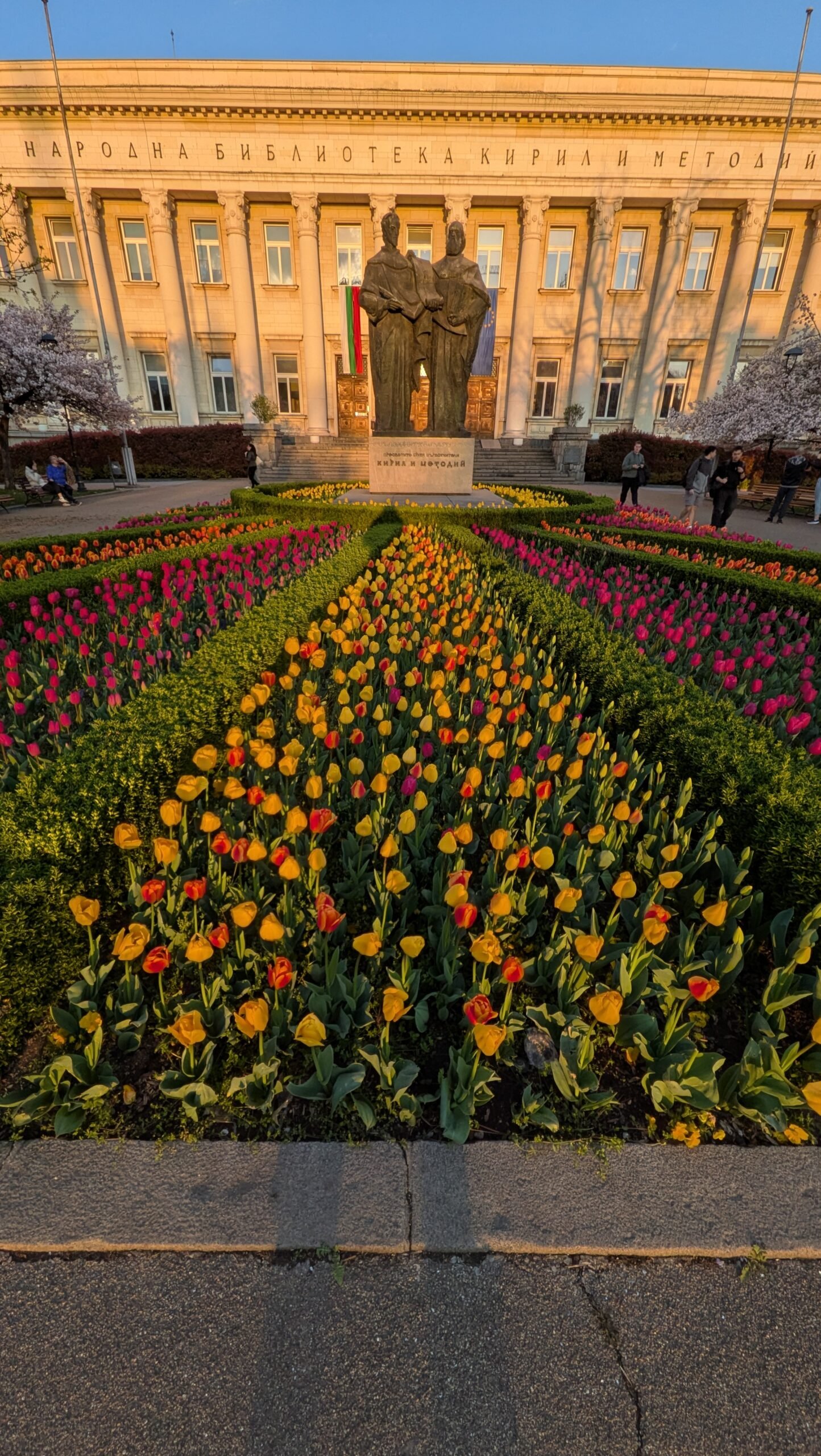
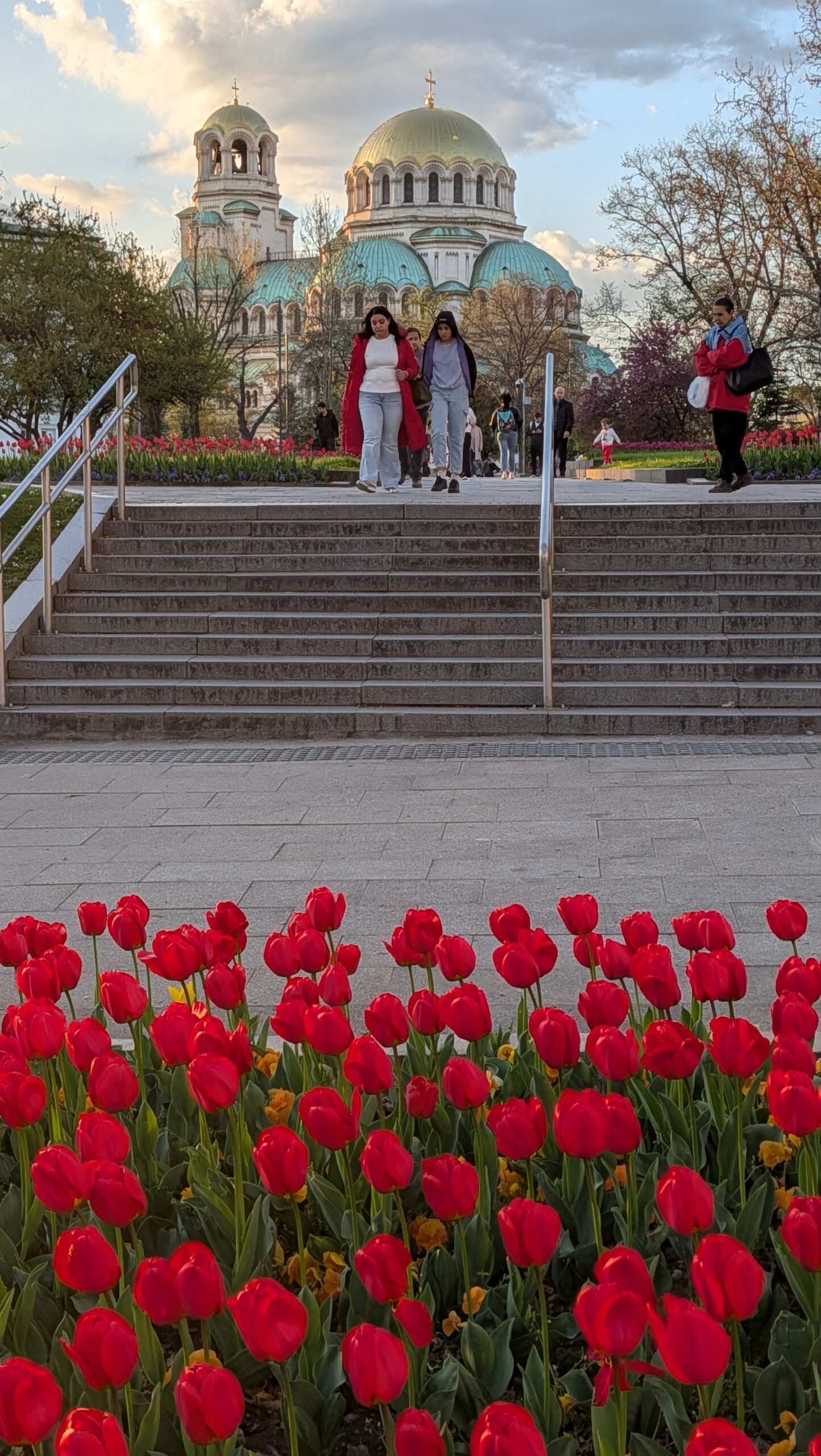
Sofia turned out to be a city built for exactly that kind of wandering. I logged five miles the next day without trying, drifting through parks in full spring bloom — tulips in every color, like the city had decided to put on a show — and past the ancient ruins of Serdica sitting in the middle of a very modern downtown. One lingering sunset stretched out over an evening walk in search of dinner, the kind where the light keeps shifting and the city seems to change personality by the minute.
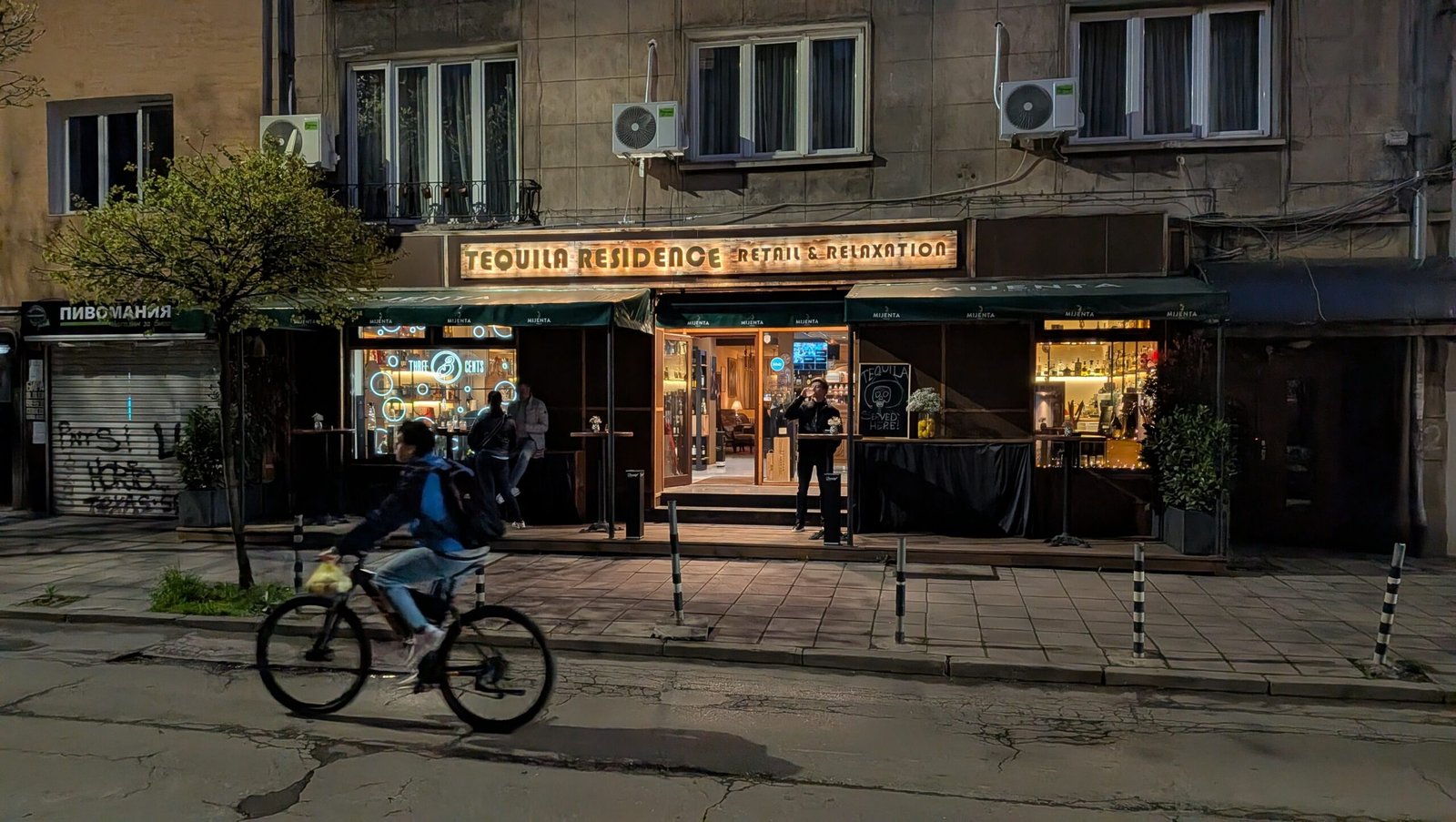
Tequila Residence: Sofia’s Unexpected Agave Sanctuary
Sofia turned out to be home to one of the best agave bars I found on all my travels — and I never saw that coming.
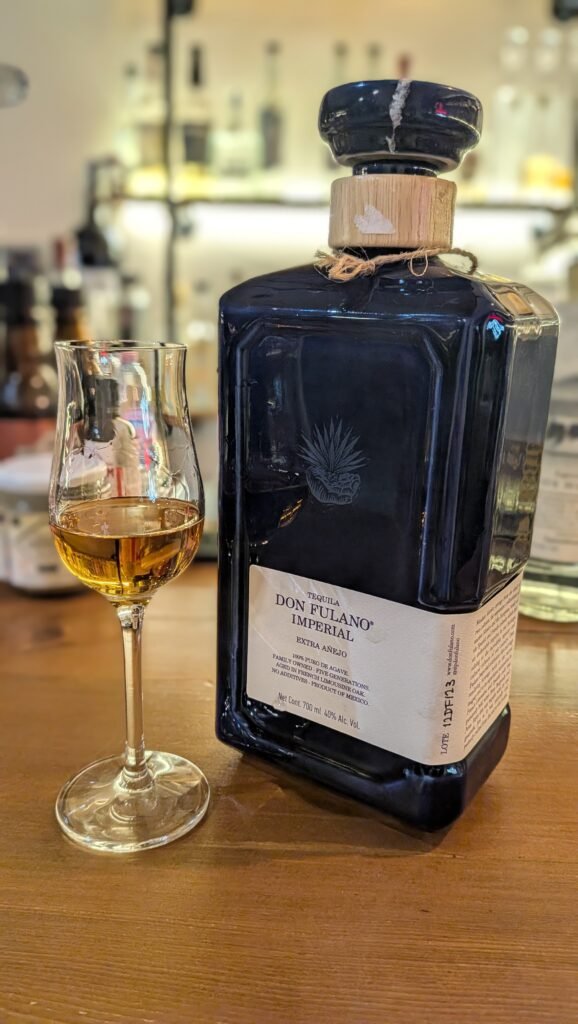
I’m always on the hunt for great tequila, mezcal, and sotol wherever I travel, so when a Google Maps listing for Tequila Residence – Retail & Relaxation popped up, curiosity got the better of me. I walked in cautiously optimistic. I should have been far more optimistic than that.
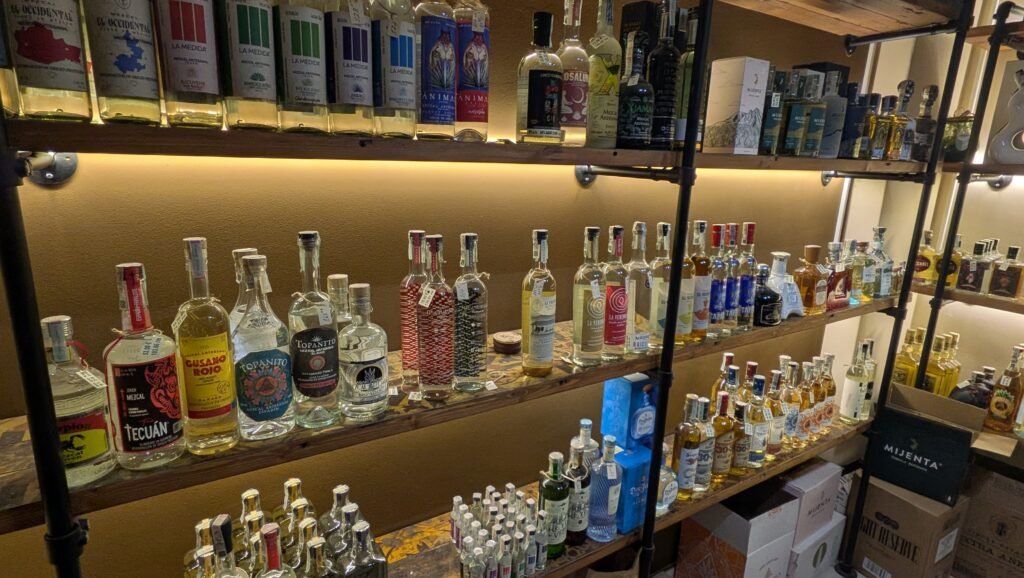
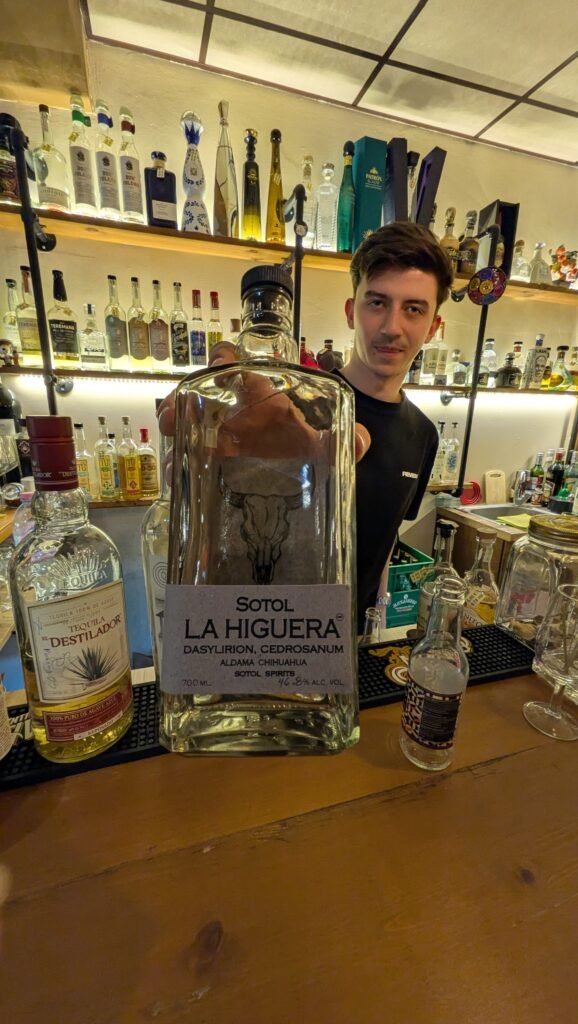
It took about thirty seconds to realize this wasn’t a cocktail bar with a couple of premium bottles on display. This was an agave sanctuary. The shelves were lined with tequila, mezcal, sotol, and raicilla—a collection that would hold its own in cities ten times the size of Sofia. Behind the bar, Konstantin poured me a sotol, and before long we were talking about production methods, agave varieties, and the ongoing crime against humanity that is José Cuervo Gold. This wasn’t just a place to drink. It was a place to learn.
Then came the moment that really stuck with me.
A couple a few seats away was working through a tasting flight, so I asked how they had gotten into tequila and mezcal.
They smiled.
“Here.”
One word. That was all it took.
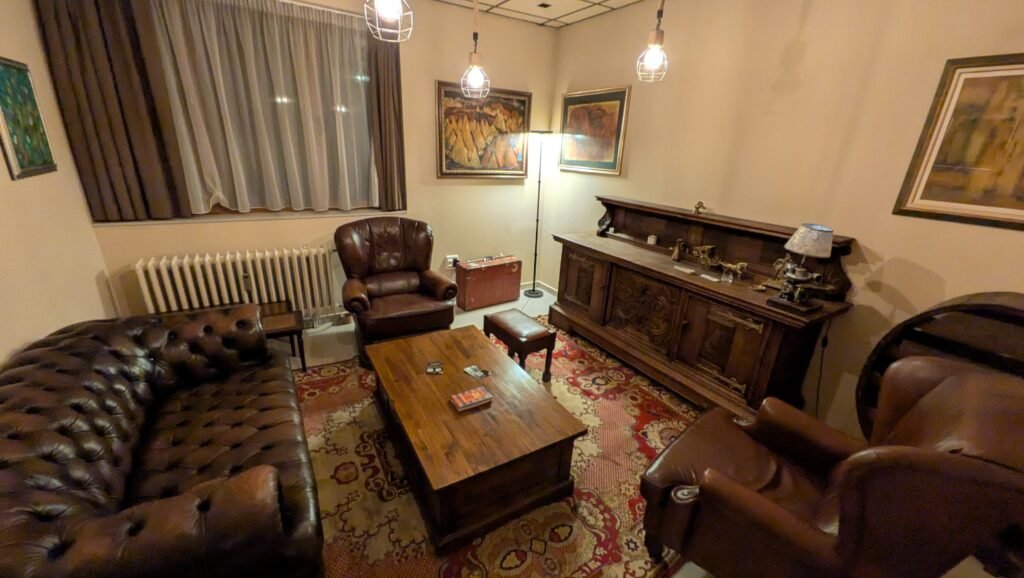
The tasting rooms reflected that same philosophy. Leather chairs. Quiet conversations. No blaring music. No pressure to order another round. It felt less like a commercial bar and more like being invited into someone’s private collection.
Bulgaria has a long tradition of rakia—often homemade, always shared, and appreciated slowly with friends and family. The culture already understands that great spirits deserve respect, conversation, and time.
I went looking for Mexican spirits nearly 7,000 miles from Jalisco. I never imagined one of the world’s best agave tasting rooms would be waiting for me in Bulgaria.